
How to get rid of flies on cattle farms?
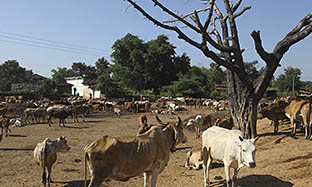
Flies are a persistent and often underestimated challenge in livestock farming. While their numbers surge in warmer months, the problem begins much earlier, as overwintering flies become active and rapidly multiply under favourable conditions. Effective fly control in cattle is essential not only for animal comfort but also for preventing productivity losses and disease transmission. In dairy systems especially, poor fly control for dairy cattle can lead to reduced milk yield, stress, and increased health risks, making early and structured intervention critical.
Fly Life Cycle and Rapid Multiplication
The sudden “explosion” of flies is linked to their short and highly efficient life cycle:
- Adult flies lay hundreds of eggs in organic matter such as manure.
- Eggs hatch into larvae (maggots) within 24 hours.
- Larvae develop in moist, nutrient-rich environments.
- Pupation occurs, followed by emergence of adult flies within 5–7 days under ideal temperature and humidity.
A single fly emerging in spring can multiply into thousands within weeks. Manure combined with moisture creates the perfect breeding ground, making hygiene a cornerstone of fly control in cattle.
Disease Vectors and Health Risks
Flies are not just a nuisance—they are active carriers of disease. By moving between animals, they spread pathogens mechanically through their legs and mouthparts.
Key Diseases and Effects
- Infectious keratoconjunctivitis (pink eye) caused by Moraxella bovis, leading to eye inflammation and possible vision loss
- Mastitis spread in dairy cattle due to contamination of teats
- Skin lesions and secondary infections caused by constant irritation and biting
- Reduced grazing time due to stress and discomfort, affecting productivity
Biological Mechanism
Flies transfer pathogens directly from infected to healthy animals. Additionally, constant irritation increases stress levels, raising cortisol, which suppresses immunity and makes cattle more vulnerable to infections. This highlights the importance of robust fly control for dairy cattle and overall herd health management.
Severity-Based Risk Categorization
Mild Fly Infestation
- Occasional irritation
- Slight reduction in feeding or grazing
- Minimal impact on productivity
Severe Fly Infestation
- Constant agitation and restlessness
- Eye infections, wounds, or mastitis cases
- Reduced feed intake and milk production
- Increased disease outbreaks
Severe infestations demand immediate and comprehensive fly control in cattle measures.
Three-Level Control Strategy
1. Larval Control (Source Reduction)
This is the most critical step. Treat breeding sites early in the season:
- Apply larvicides to manure pits and влажные organic areas
- Regularly remove or manage manure
- Keep bedding dry
Early intervention significantly reduces future fly populations and strengthens fly control in cattle.
2. Treatment of Livestock Premises
- Maintain good hygiene and proper ventilation in sheds
- Use insecticide sprays on walls and surfaces
- Install bait systems to attract and eliminate flies
These measures are essential for effective fly control for dairy cattle in housing systems.
3. Treatment of Animals
- Use pour-on insecticides or sprays as advised by a veterinarian
- Employ repellents to reduce fly contact
Animal-level treatment supports overall fly control in cattle but should not be the only method.
Environmental & Biological Control
- Promote natural predators of fly larvae where possible
- Improve drainage to eliminate standing water
- Rotate grazing areas to reduce exposure
- Maintain clean feeding and watering systems
Combining environmental management with chemical control ensures sustainable fly control for dairy cattle.
When to Consult a Veterinarian
You should seek veterinary advice when:
- There is a sudden rise in fly population
- Animals show signs of eye infections, mastitis, or wounds
- Standard fly control in cattle measures are not effective
- There is a noticeable drop in productivity
Timely intervention helps prevent escalation into serious health issues.